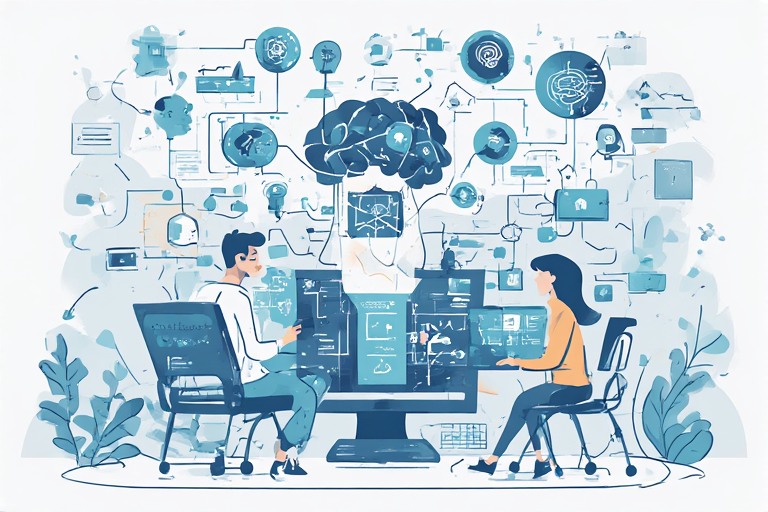
Artificial Intelligence (AI) is reshaping education by making learning more adaptive, interactive, and accessible. Instead of a one-size-fits-all approach, AI helps tailor education to each student’s needs, pace, and learning style. Three major innovations driving this change are personalized learning, AI tutors, and virtual classrooms.
1. Personalized Learning: Education Tailored to You
Personalized learning uses AI algorithms to analyze how a student learns—what they struggle with, how fast they progress, and what methods help them retain information best.
Instead of following a fixed syllabus pace, AI-powered platforms adjust content dynamically. For example:
- If a student is strong in math but weak in grammar, the system provides more language exercises.
- If a learner grasps a topic quickly, it automatically moves them to advanced concepts.
This ensures students are neither bored nor overwhelmed, creating a more balanced and effective learning experience.
2. AI Tutors: Always-Available Learning Support
AI tutors act like digital assistants that guide students outside the classroom. They can answer questions, explain concepts, and even provide step-by-step problem-solving support.
Key benefits include:
- 24/7 availability – Students can learn anytime, not just during school hours.
- Instant feedback – Mistakes are corrected immediately, helping faster improvement.
- Interactive explanations – Complex topics are broken down into simpler, understandable steps.
Unlike traditional tutoring, AI tutors can support unlimited students simultaneously at a low cost, making education more accessible.
3. Virtual Classrooms: Learning Without Boundaries
Virtual classrooms use AI-powered platforms to recreate the traditional classroom experience online. They include live lectures, interactive whiteboards, quizzes, and collaboration tools.
AI enhances virtual classrooms by:
- Monitoring student engagement during sessions
- Suggesting content based on class performance
- Translating languages in real time for global learning
- Recording and summarizing lessons for revision
This allows students from different locations to learn together, removing geographical barriers.
Conclusion
AI in education is not about replacing teachers—it is about empowering them and improving how students learn. With personalized learning, AI tutors, and virtual classrooms, education becomes more flexible, efficient, and student-centered. As technology continues to evolve, learning will become even more interactive, inclusive, and tailored to individual potential.