
China has unveiled a $295 billion AI infrastructure plan focused on data centers, domestic AI chips, and technological sovereignty. Discover how this massive investment could reshape the global AI race and accelerate China’s leadership in artificial intelligence.
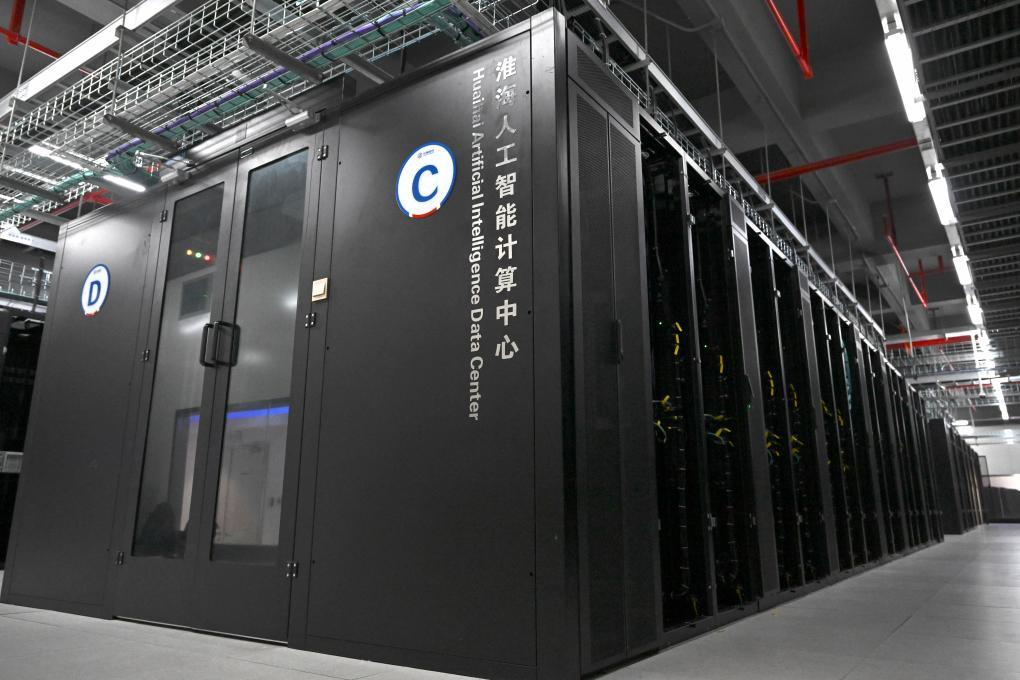
China has unveiled plans for one of the largest artificial intelligence infrastructure investments in history, committing approximately 2 trillion yuan ($295 billion) over the next five years to build a nationwide AI ecosystem. The ambitious initiative focuses on expanding data centers, strengthening domestic semiconductor production, and reducing reliance on foreign technology suppliers. The move underscores Beijing’s determination to become a global AI leader while achieving greater technological self-sufficiency.
Why China Is Investing So Heavily in AI Infrastructure
Artificial intelligence has become a strategic priority for governments worldwide, with AI increasingly viewed as a cornerstone of economic growth, national security, and technological competitiveness. China sees AI as a critical area where it can challenge U.S. dominance and secure long-term leadership in emerging technologies.
The new investment plan aligns with China’s broader national development strategy, which emphasizes AI adoption across industries, advanced manufacturing, quantum computing, robotics, and next-generation digital infrastructure. Government agencies are reportedly drafting a blueprint that will create interconnected computing hubs capable of supporting large-scale AI training and deployment nationwide.
Building a Nationwide Network of AI Data Centers

At the heart of the initiative is a massive expansion of AI-focused data centers. These facilities provide the computing power required to train and run advanced AI models.
The proposed network will:
- Connect data centers across multiple regions.
- Create a unified national computing infrastructure.
- Improve resource sharing and efficiency.
- Support large-scale AI workloads.
- Enable faster deployment of AI services throughout the country.
Major state-owned telecommunications companies such as China Mobile and China Telecom are expected to operate much of the infrastructure and ensure nationwide connectivity between computing hubs.
The Drive Toward AI Sovereignty
A defining feature of the plan is China’s emphasis on AI sovereignty—the ability to develop and operate AI systems independently of foreign technologies.
Reports indicate that at least 80% of the technology used in the project, including AI chips and core infrastructure components, could come from domestic suppliers. This approach aims to reduce dependence on foreign semiconductor manufacturers and software providers.
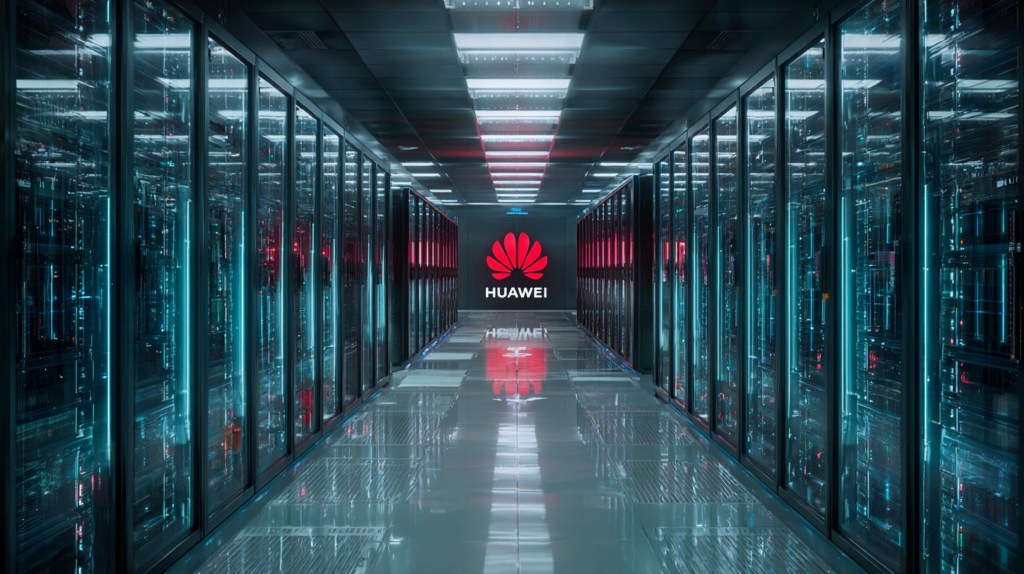
One of the primary beneficiaries could be Huawei, which has invested heavily in AI processors and computing platforms. The initiative could significantly boost demand for Chinese-designed AI hardware and accelerate the development of a domestic AI supply chain.
Impact on Global AI Competition
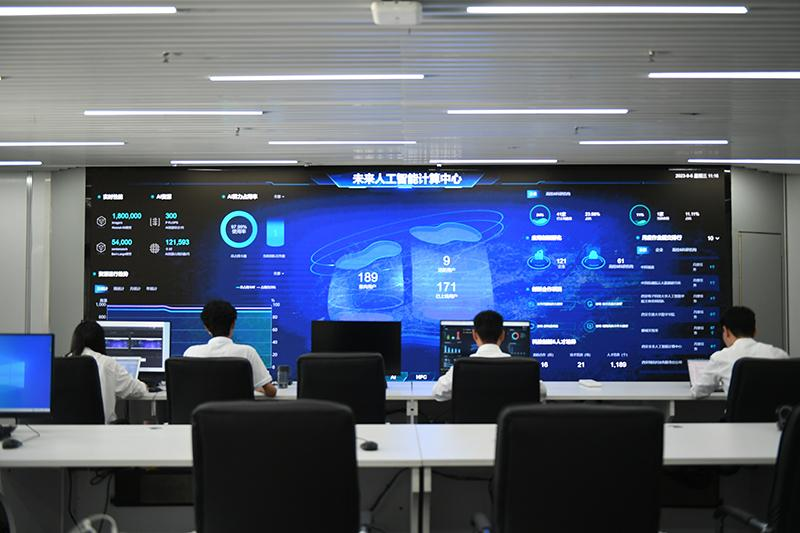
The announcement highlights the intensifying global AI race between China and the United States.
While U.S. technology companies are expected to spend more than $700 billion on AI-related infrastructure and development this year, China’s approach differs by leveraging coordinated government planning and state-backed investment.
This strategy could provide several advantages:
Faster Infrastructure Deployment
Centralized planning may allow China to build AI infrastructure at a rapid pace while coordinating resources across multiple regions.
Stronger Domestic Technology Ecosystem
By prioritizing local suppliers, China can stimulate growth among domestic semiconductor, networking, and AI software companies.
Reduced Exposure to Export Restrictions
The push toward domestic chips helps mitigate risks associated with international trade restrictions and technology export controls.
Enhanced National Security
Control over AI infrastructure reduces dependence on foreign technology providers and strengthens technological resilience.
Economic Benefits Beyond Artificial Intelligence
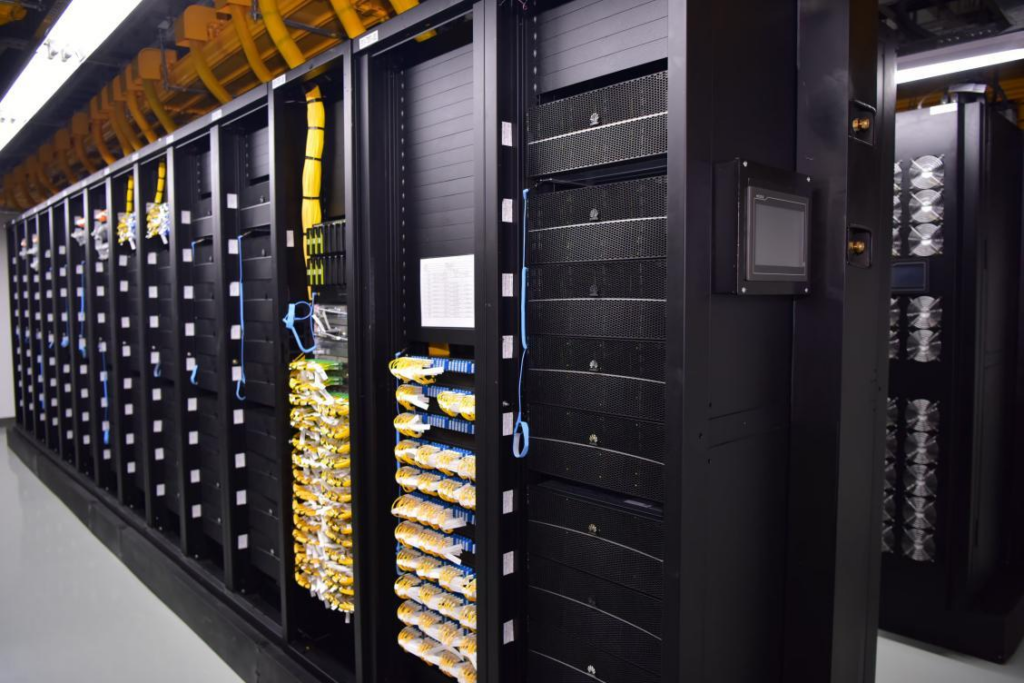
The investment is expected to generate substantial economic activity across multiple sectors.
Job Creation
Construction of data centers, networking infrastructure, and power systems will create employment opportunities in engineering, construction, manufacturing, and technology.
Regional Development
Many AI facilities may be built in emerging technology zones, encouraging economic growth outside traditional urban centers.
Innovation Acceleration
Greater access to computing resources can support startups, research institutions, and enterprises developing new AI applications.
Digital Transformation
Industries such as healthcare, manufacturing, transportation, finance, and education may benefit from expanded AI capabilities.
Challenges Ahead
Despite its scale, the project faces several challenges.
Energy Requirements
AI data centers consume enormous amounts of electricity. Expanding computing capacity will require significant investments in power generation, transmission, and grid stability. Researchers have highlighted the growing pressure AI infrastructure places on regional energy systems.
Semiconductor Performance
Chinese chipmakers continue to advance rapidly, but many analysts believe domestic AI processors still face challenges competing with the most advanced international offerings.
Infrastructure Complexity
Building and coordinating a nationwide computing network requires extensive planning, technical expertise, and long-term operational management.
Evolving Technology Landscape
The rapid pace of AI innovation means infrastructure investments must remain flexible enough to accommodate future advances.
What This Means for the Future of AI
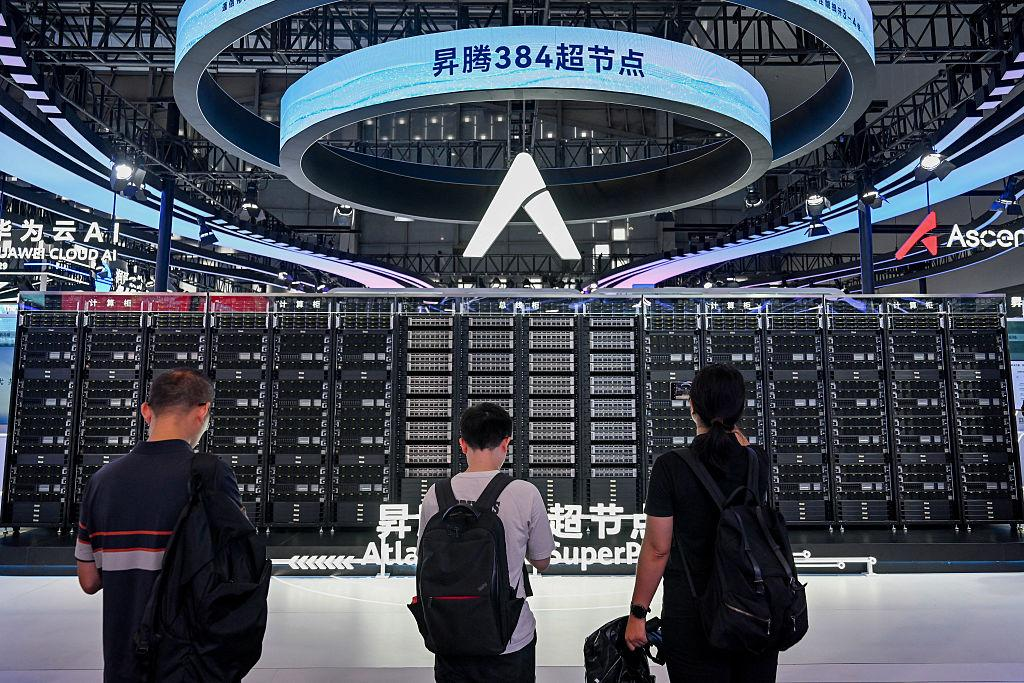
China’s $295 billion AI infrastructure initiative signals a shift in how nations approach artificial intelligence. Rather than focusing solely on AI models and applications, governments are increasingly investing in the foundational infrastructure that powers AI systems.
The plan reflects a broader recognition that future AI leadership will depend not only on algorithms but also on access to computing power, data centers, energy resources, and semiconductor technology. Experts increasingly describe this trend as the rise of “AI infrastructure sovereignty,” where control over AI infrastructure becomes as important as control over software and data.
Conclusion

China’s proposed $295 billion AI infrastructure program represents one of the most ambitious technology investments ever announced. By building a nationwide network of interconnected data centers, prioritizing domestic AI chips, and strengthening technological self-reliance, Beijing aims to position itself at the forefront of the global AI race.
If implemented as planned, the initiative could reshape the competitive landscape of artificial intelligence, accelerate domestic innovation, and further intensify the global contest for AI leadership. As nations increasingly view AI as strategic infrastructure, investments of this scale may become a defining feature of the next phase of technological competition.